UPDATES
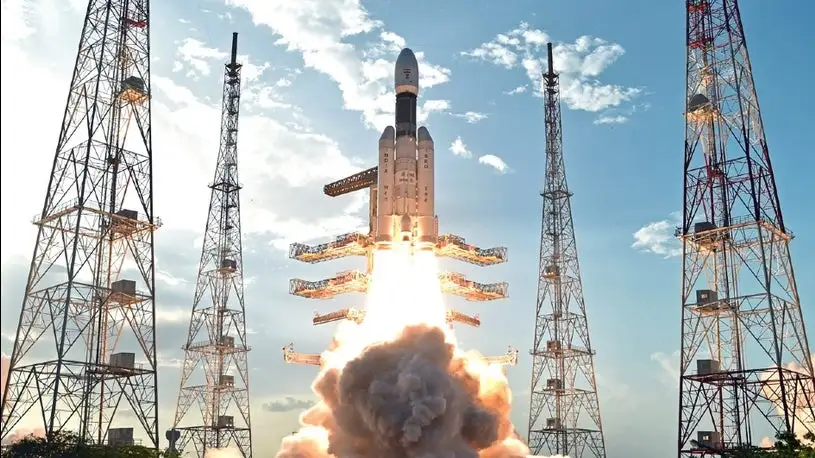
GSLV-F14/INSAT-3DS MISSION
Launched on: February 17, 2024
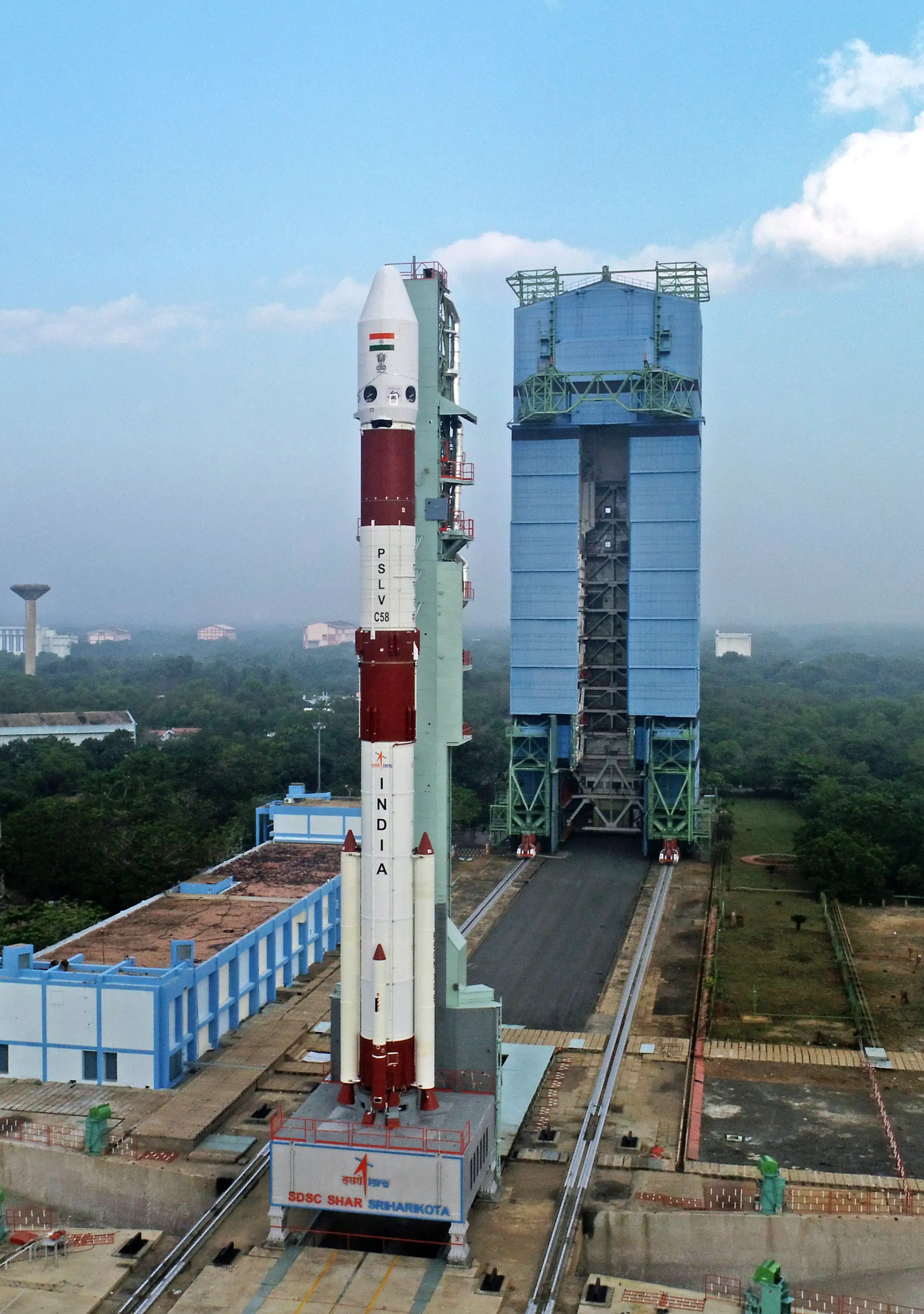
PSLV-C58/XPoSat Mission
Launched on: January 01, 2024
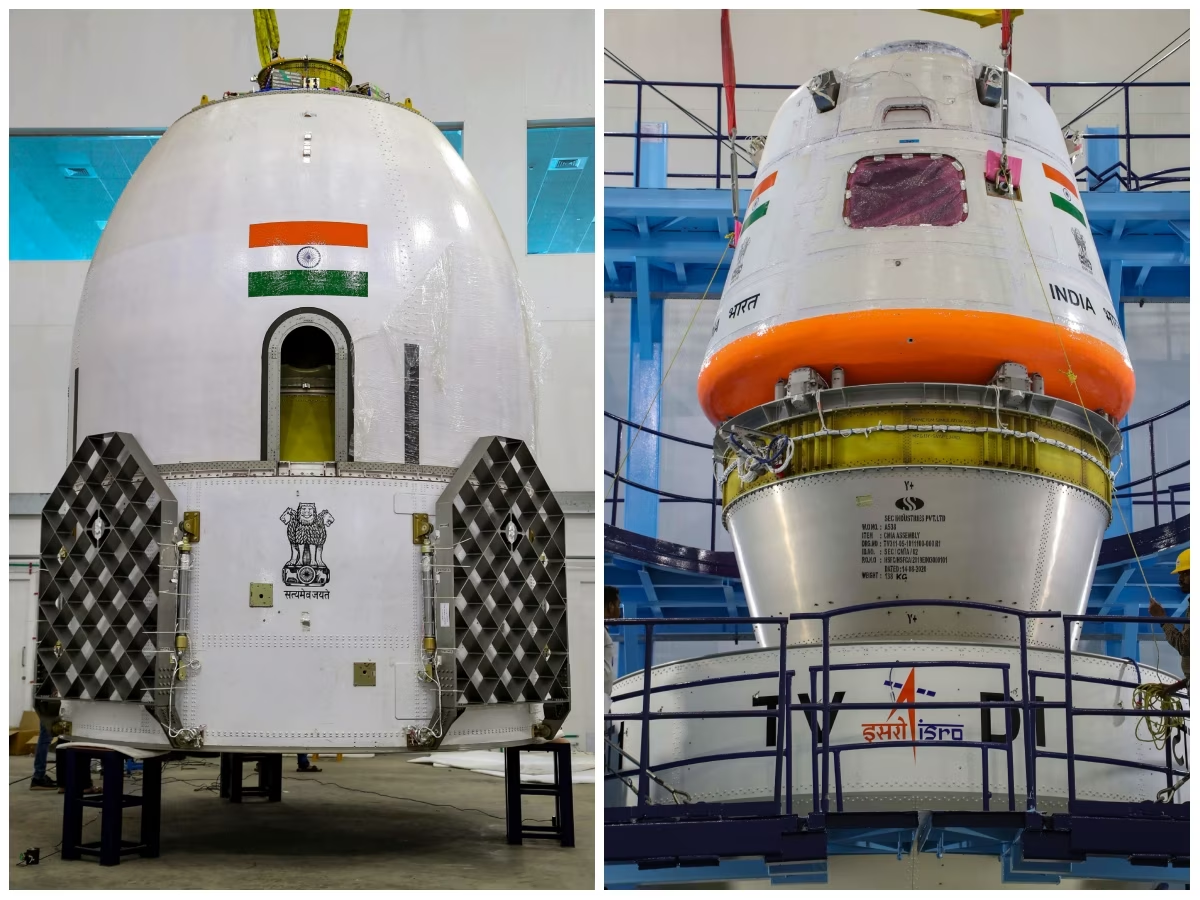
Gaganyaan TV-D1 Mission
Launched on: October 21, 2023
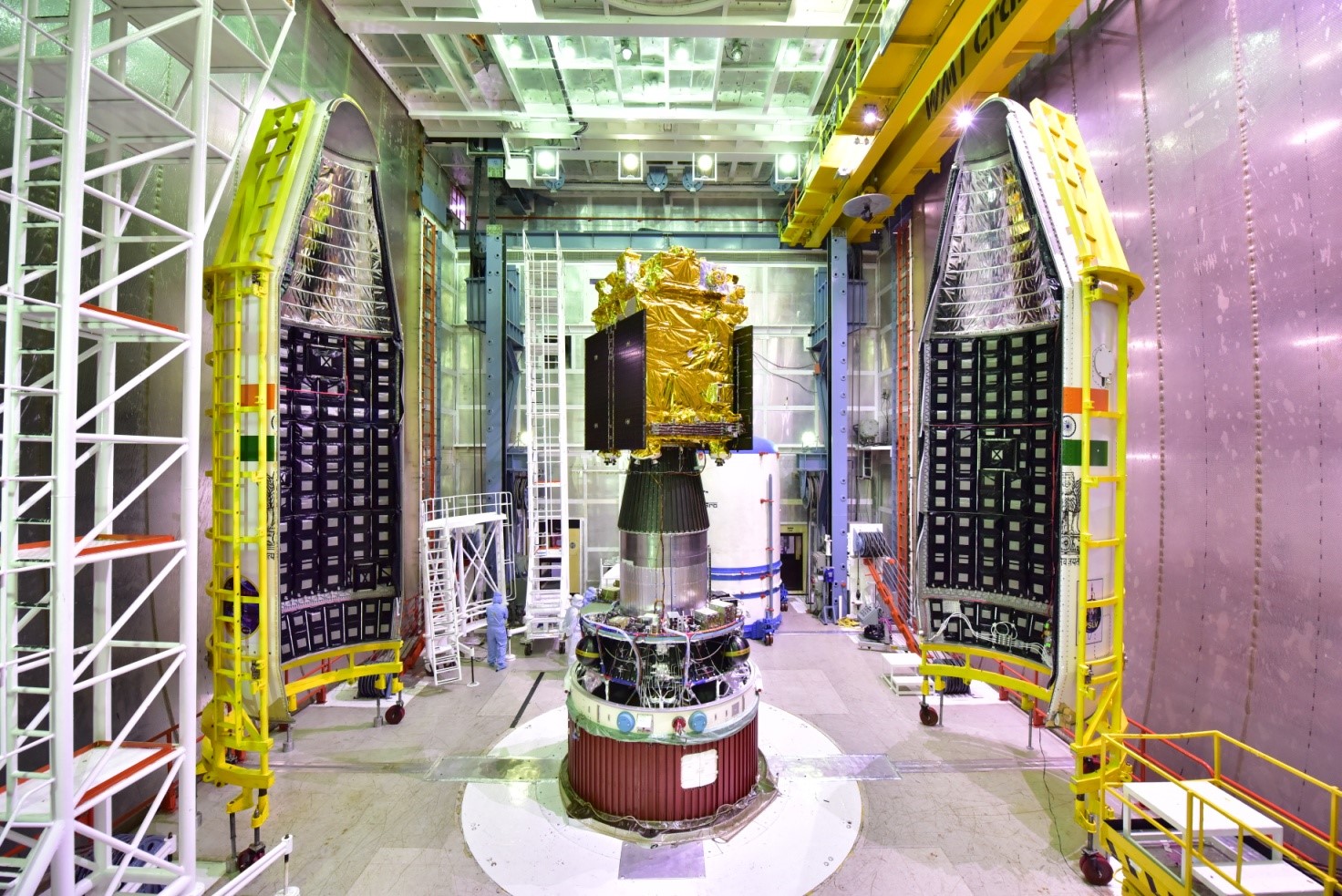
PSLV-C57/Aditya-L1 Mission
Launched on: September 02, 2023
ISRO PORTALS


PROJECTS
CHANDRAYAAN
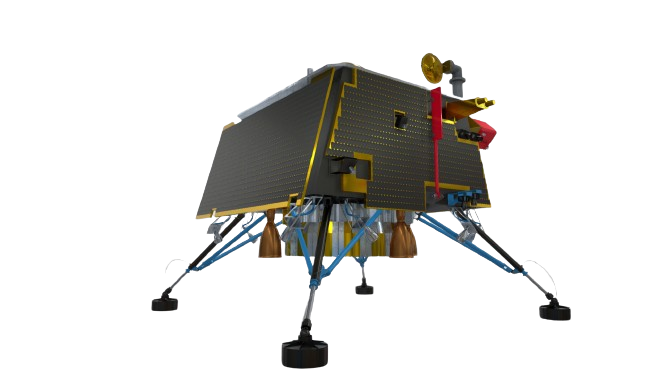
CHANDRAYAAN-3
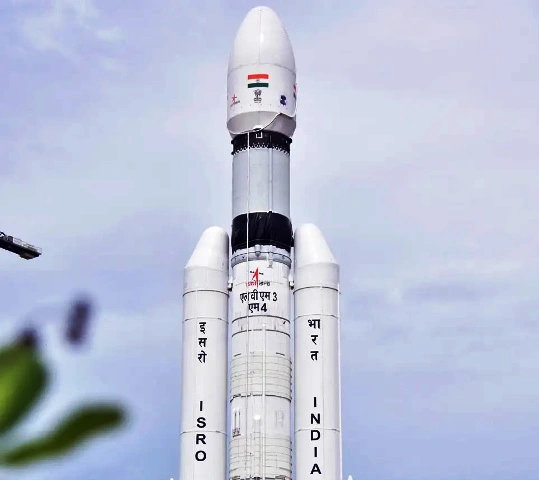
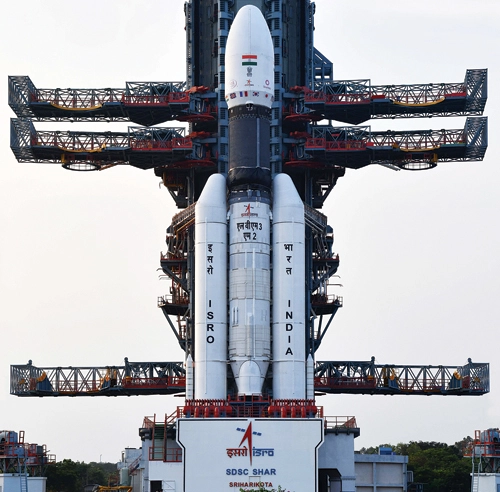
In another unique experiment, like the hop experiment on the Vikram Lander, the Propulsion Module (PM) of Chandrayaan-3 was moved from an orbit around Moon to an orbit around Earth. The primary objective of Chandrayaan-3 mission was to demonstrate soft landing near to lunar south polar region and perform experiments using the instruments on Vikram and Pragyaan.The spacecraft was launched on July 14, 2023 on-board LVM3-M4 vehicle from SDSC, SHAR.
MANGALYAAN
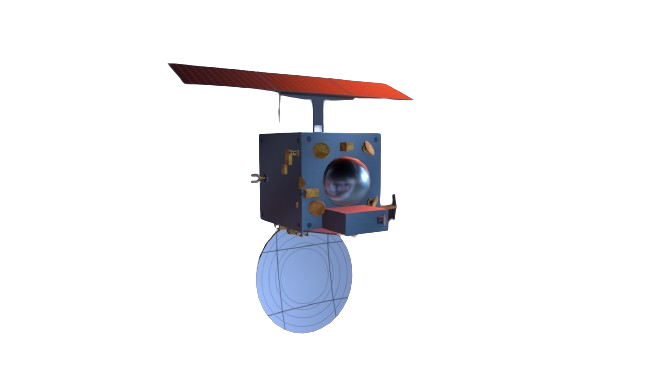
MANGALYAAN
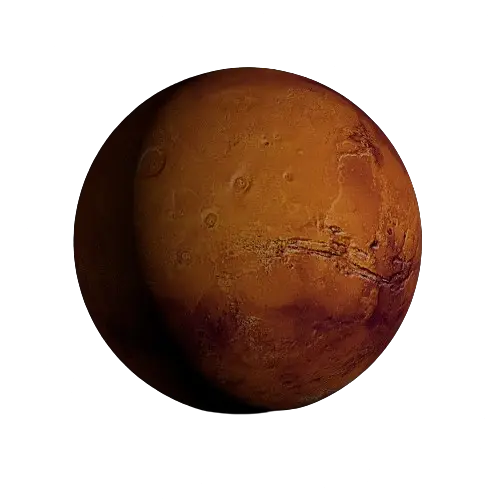
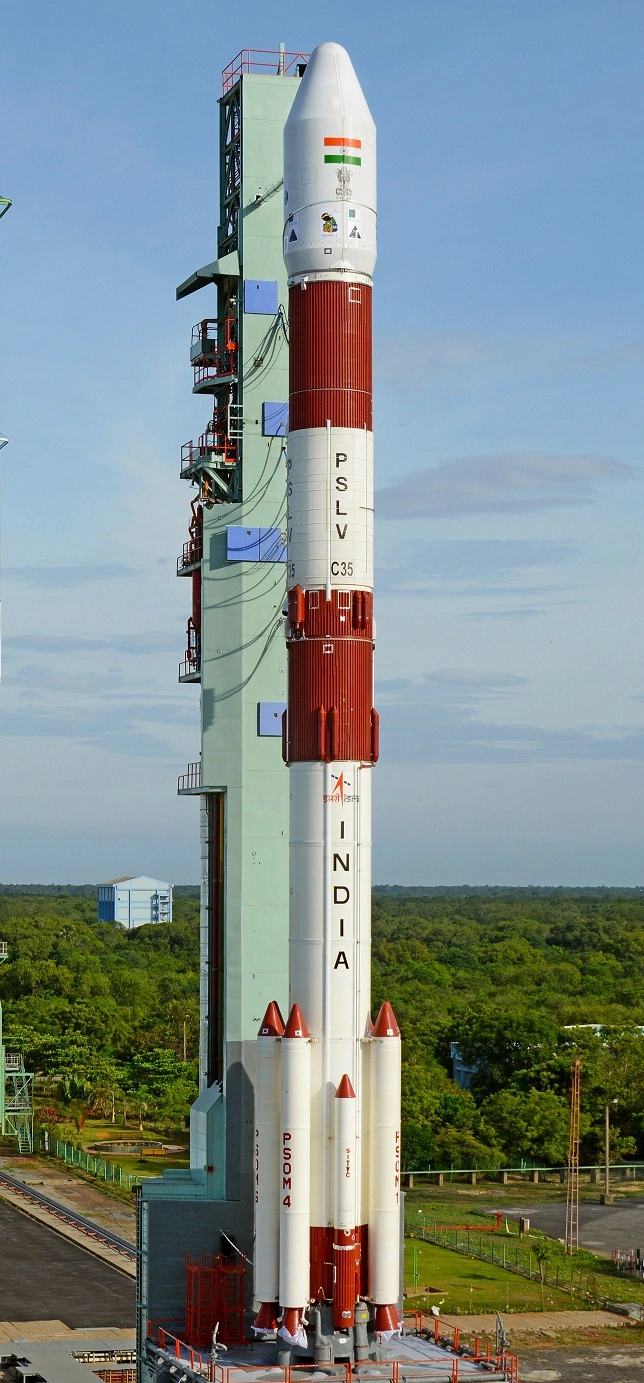
Mars Orbiter Mission (MOM), India's first interplanetary mission to planet Mars was launchedonboard PSLV-C25 on November 05, 2013. ISRO has become the fourth space agency to successfully send a spacecraft to Mars orbit.Though the designed mission life is 6 months, MOM completed 7 years in its orbit on Sept 24, 2021.
ADITYA-L1
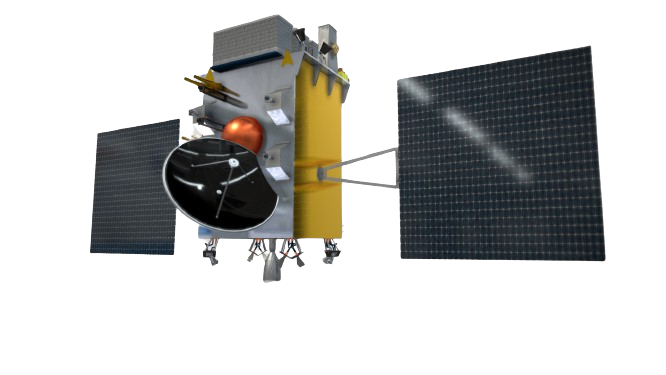
ADITYA-L1
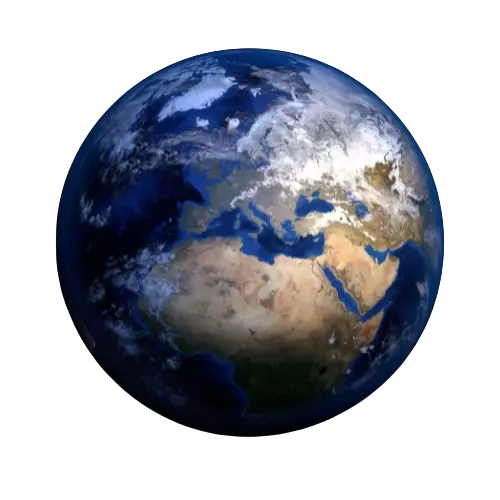
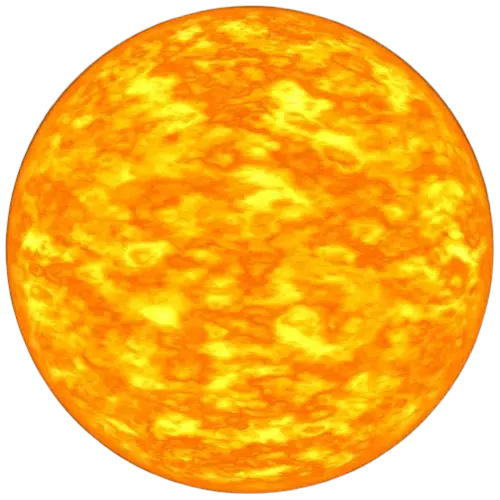
Aditya L1 shall be the first space based Indian mission to study the Sun. The spacecraft shall be placed in a halo orbit around the Lagrange point 1 (L1) of the Sun-Earth system, which is about 1.5 million km from the Earth. A satellite placed in the halo orbit around the L1 point has the major advantage of continuously viewing the Sun without any occultation/eclipses
GAGANYAAN
GAGANYAAN
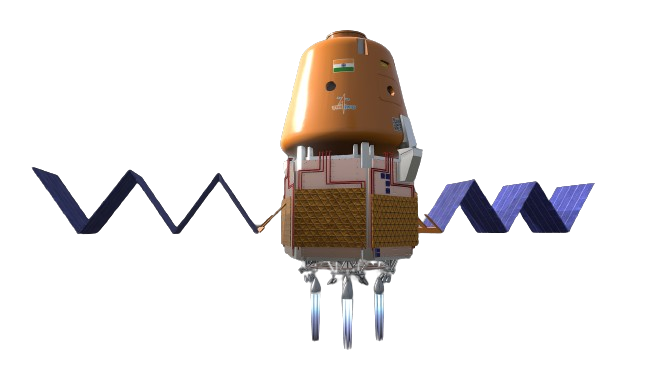
The primary mandate of HSFC is to spearhead ISRO's Gaganyaan programme through co-ordinated efforts and focus all the activities that are carried out in other ISRO centres, research labs in India, Indian academia and Industries towards accomplishing the mission. HSFC, as the lead Centre for Human space flight activities conforms to high standards of reliability and human safety in undertaking R&D activities in new technology areas, such as life support systems.
Isro Timeline
1969
On this day, ISRO was founded by Dr. Vikram Sarabhai.
India's first satellite, named after the ancient Indian mathematician and astronomer Aryabhata. It was launched by the Soviet Union on April 19, 1975.
Aryabhata (1975)
SLV-3 (1980-1994)
The Satellite Launch Vehicle-3 was India's first experimental satellite launch vehicle, which launched the Rohini satellite series into orbit.
The Indian National Satellite (INSAT) system, which provides services in telecommunications, television broadcasting, meteorology, and disaster warning. The first satellite, INSAT-1A, was launched in 1983.
INSAT series (1983-present)
IRS series (1988-present)
The Indian Remote Sensing (IRS) satellite program, which provides various remote sensing services. The first satellite, IRS-1A, was launched in 1988.
India's first lunar probe, which orbited the Moon and helped discover water molecules on the lunar surface. It was launched on October 22, 2008.
Chandrayaan-1 (2008)
Mangalyaan
India's first lunar probe, which orbited the Moon and helped discover water molecules on the lunar surface. It was launched on October 22, 2008.
The Geosynchronous Satellite Launch Vehicle (GSLV) program, which aims to launch communication satellites into geostationary transfer orbit. Notable satellites include GSAT-12, GSAT-6, and GSAT-30.
GSAT series (2001-present)
Cartosat series (2005-present)
The Cartosat series of satellites are high-resolution Earth observation satellites used for cartographic applications, urban and rural planning, and infrastructure development.
The Radar Imaging Satellite (RISAT) series, which uses synthetic aperture radar to provide all-weather surveillance.
RISAT series (2009-present)
Chandrayaan-2 (2019-present)
India's second lunar exploration mission, which includes an orbiter, a lander (Vikram), and a rover (Pragyan). Launched on July 22, 2019, it aimed to explore the lunar south pole region.
Chandrayaan-3 is India's third lunar exploration mission, following the successes of Chandrayaan-1 and Chandrayaan-2. It aims to further explore the Moon's surface and enhance India's capabilities in space exploration.
Chandrayaan-3 (2023)
Aditya-L1 (2023)
The Aditya-L1 mission is India's first dedicated solar mission, aimed at studying the Sun's outermost layer, the corona, and its atmosphere. It will focus on understanding the dynamics of solar storms, which can impact space weather and communication systems on Earth.
STATS
LAUNCHES
101
LAUNCH VEHICLES
3 (active)
LAUNCH PADS
2(active)
SATELLITES
131 (Indian)
SATELLITES
433 (Foreign)
SATELLITES
18 (Private)
Re-entry Missions
9
MANGALYAAN
OUR LEADERSHIP